Foods for Lymphatic Support: What to Eat Without the Detox Hype
No fruit, tea, spice, juice, or meal has been established as a lymphatic drain. Food can still support overall health through a varied, nutrient-dense pattern that is sustainable and appropriate for your medical needs.
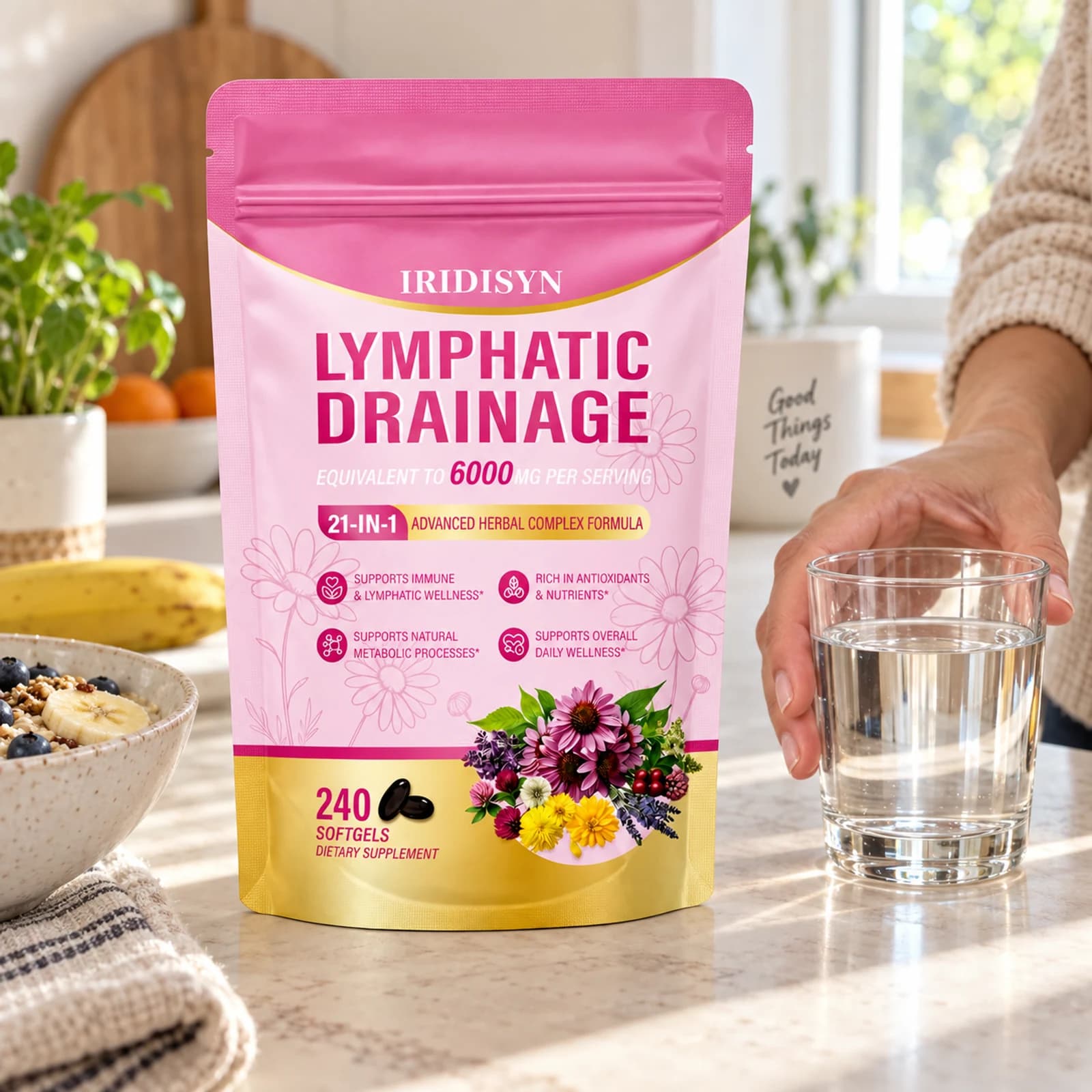
IRIDISYN original product photography. Food presentation does not imply a drainage effect.
Educational content only. This page does not diagnose or treat lymphedema, swelling, or any other medical condition. New, persistent, painful, red, warm, or one-sided swelling should be assessed by a qualified healthcare professional.
Key takeaways
- No individual food has been shown to unclog lymph vessels, drain lymphedema, or detox the lymphatic system.
- A healthy pattern emphasizes vegetables, fruit, whole grains, protein foods, and other nutrient-dense choices that fit individual needs.
- Sodium and fluid advice should be individualized; aggressive restriction or forced hydration can be unsafe.
- Persistent swelling is not a nutrition diagnosis and should not be managed through a cleanse without medical assessment.
There is no magic lymphatic food
Lists of pineapple, citrus, berries, leafy greens, garlic, ginger, turmeric, seaweed, seeds, or herbal tea often circulate as though each item directly moves lymph. These foods can contribute nutrients or enjoyment, but inclusion on a list is not evidence that they increase human lymph flow or treat swelling.
A claim should identify the food or preparation, serving, population, comparator, and measured outcome. Research on an isolated compound in cells cannot establish that eating the whole food drains lymph. Likewise, a short-term change in urination or scale weight does not demonstrate a lymphatic effect.
Build a pattern instead of collecting superfoods
Federal dietary guidance emphasizes the overall pattern: vegetables of different types, fruit, grains with an emphasis on whole grains, varied protein foods, and appropriate dairy or fortified alternatives, oils, and other nutrient-dense choices. The exact pattern can be adapted to culture, preference, access, allergies, and medical needs.
A simple plate can combine vegetables or fruit, a protein food, and a whole-grain or other carbohydrate source. Consistency matters more than whether a recipe contains a fashionable lymphatic ingredient. Frozen, canned, dried, and fresh foods can all fit when labels and preparation meet your needs.
Include adequate protein without making it a drainage claim
Protein supports normal tissue maintenance and many body processes. Sources can include beans, lentils, soy foods, seafood, eggs, poultry, lean meat, dairy foods, nuts, and seeds according to preference and medical guidance.
More protein is not automatically better, and a high-protein diet is not a lymphedema treatment. Kidney disease and other conditions can change appropriate intake. If appetite, access, swallowing, cancer treatment, or another condition makes nutrition difficult, a registered dietitian can individualize the plan.
Understand sodium without turning it into a cleanse
Sodium can influence fluid balance, and highly salty meals may contribute to temporary water retention in some people. That does not mean sodium alone caused swelling or that severe restriction will repair lymphatic vessels. Packaged foods, restaurant meals, sauces, and snacks can be major sources, so label comparison can be useful.
Follow clinician-directed sodium limits when they apply. Otherwise, use established dietary guidance rather than an extreme low-sodium challenge. Dizziness, weakness, dehydration, or rapid weight changes are not signs that a detox is succeeding.
Hydrate appropriately, not aggressively
Water and other beverages contribute to hydration, and food such as fruit, vegetables, and soups also contains water. Needs vary with body size, weather, activity, pregnancy, illness, and diet. Thirst and ordinary access to fluids guide many healthy adults, but not every situation.
More water does not continually increase lymphatic drainage. Forced intake can be harmful, and people with heart, kidney, liver, endocrine, or other conditions may need individualized fluid instructions. Do not follow a gallon challenge or herbal-tea cleanse when it conflicts with professional advice.
| Claim | More accurate interpretation | Better action |
|---|---|---|
| This fruit drains lymph | It provides nutrients and water | Include varied fruit if appropriate |
| This tea flushes toxins | It is a beverage with specific ingredients | Review ingredients, interactions, and total fluid |
| No salt prevents swelling | Sodium affects fluid balance but is not the only cause | Follow individualized or established guidance |
| More water means more drainage | Hydration needs have a useful range | Meet needs without forcing excess |
Be cautious with juices, detox teas, and restrictive plans
A juice cleanse can remove protein, fiber, energy, or food variety while delivering concentrated sugar or interacting ingredients. Detox teas may contain laxative, stimulant, or urinary herbs that produce noticeable effects without demonstrating toxin removal or lymphatic improvement.
Restrictive plans can be especially unsuitable for pregnancy, eating-disorder history, diabetes, kidney or liver disease, cancer treatment, older adults at nutrition risk, and people using medicines. Natural ingredients can still cause allergy, side effects, and interactions.
If a supplement is being considered, review the ingredient label guide rather than treating tea or drops as food.
A practical shopping framework
Choose a few vegetables and fruits in forms you will use, one or more protein staples, whole-grain or other carbohydrate options, and unsaturated-fat sources that fit your meals. Compare sodium and added sugars where relevant, and keep convenient options available so the pattern survives busy days.
- Varied vegetables and fruit rather than one detox item
- Protein foods that fit preference and medical needs
- Whole grains or other nourishing carbohydrate sources
- Unsaturated-fat sources such as nuts, seeds, or oils when appropriate
- Beverages that meet fluid needs without a forced-hydration target
- Labels reviewed for sodium, allergens, and personal restrictions
- Meals sustainable enough to repeat
Food does not diagnose or treat unexplained swelling
Swelling can relate to injury, infection, blood clots, venous disease, medicines, hormones, heart or kidney problems, lymphedema, and other causes. A food diary cannot determine the cause, and a temporary change after a meal does not establish a diagnosis.
Seek assessment for new, persistent, painful, red, warm, one-sided, or worsening swelling. People with diagnosed lymphedema should follow their individualized treatment and nutrition advice rather than substituting a cleanse diet.
Frequently asked questions
What foods are best for the lymphatic system?
No single food is best. A varied pattern of vegetables, fruit, whole grains, protein foods, and other nutrient-dense choices supports overall health without making an unsupported drainage claim.
Does pineapple improve lymphatic drainage?
Pineapple is a nutritious fruit, but eating it has not been established as a treatment for lymphedema or a reliable way to increase lymph flow.
Should I avoid salt for lymphatic drainage?
Sodium can affect fluid balance, but extreme restriction is not a universal lymphatic treatment. Follow established guidance or an individualized plan from a qualified professional.
How much water should I drink for lymphatic drainage?
There is no lymphatic-drainage water dose. Needs vary, and some medical conditions require fluid limits. Meet individual hydration needs without forcing excess.
Can a detox tea reduce swelling?
A tea may alter urination or bowel movements depending on its ingredients, but that does not identify the cause of swelling or prove better lymphatic drainage. Review safety and seek assessment when swelling is concerning.
- Office of Disease Prevention and Health Promotion: Healthy Dietary PatternsFederal summary of nutrient-dense food groups and healthy dietary-pattern principles.
- Dietary Guidelines for Americans, 2020-2025Federal dietary guidance covering healthy eating patterns, beverages, sodium, and hydration context.
- National Cancer Institute: LymphedemaPatient guidance on lymphedema symptoms, exercise, skin care, compression, manual lymphatic drainage, and urgent infection signs.
- National Cancer Institute: Lymphedema (Health Professional Version)Clinical review of lymphedema assessment, complete decongestive therapy, exercise, and manual lymphatic drainage evidence.
- CDC: Adult Activity - An OverviewCurrent U.S. recommendations for aerobic and muscle-strengthening activity in adults.
Sources are provided for transparency and further reading. Linking to an external source does not mean that the source endorses IRIDISYN or any IRIDISYN product.