What Is a Lymphatic Cleanse? Claims, Evidence, and Safety
Lymphatic cleanse is usually a wellness or marketing phrase, not a standardized medical protocol. Before choosing a product or routine, ask what is supposedly being removed and how that outcome would be measured.
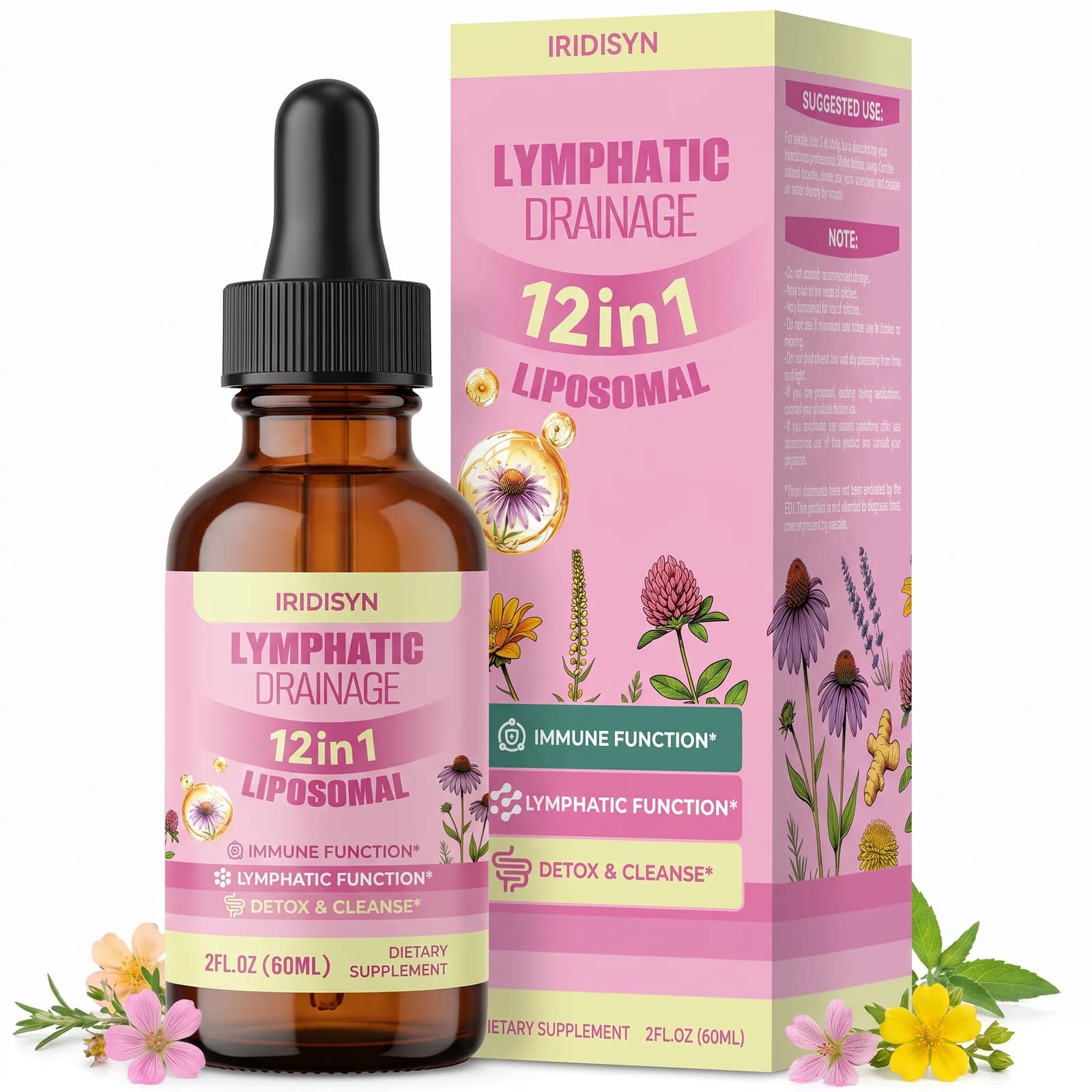
IRIDISYN-supplied product artwork. Package claims are not clinical evidence; compare the final label. No stock or AI-generated botanical photograph is used.
Educational content only. This page does not diagnose or treat lymphedema, swelling, or any other medical condition. New, persistent, painful, red, warm, or one-sided swelling should be assessed by a qualified healthcare professional.
Key takeaways
- A cleanse slogan does not identify a diagnosis or measured outcome.
- Specific claims need specific evidence, not just a list of herbs.
- More urination, sweating, or diarrhea is not proof of a cleanse.
- Persistent swelling belongs in a healthcare conversation, not a detox challenge.
What does lymphatic cleanse actually mean?
Different sellers may use the phrase for a supplement, massage, drink, restrictive diet, or a set of habits. Without a definition, those offers cannot be treated as one intervention. Ask the seller to explain the intended outcome in plain, measurable terms.
If the answer is only remove toxins, ask which substance, how it was identified, and how a change would be measured. If the answer is support wellness, that is a different and less specific statement. A broad slogan should not silently become a promise to treat swelling or lymphedema.
A wellness phrase is not a diagnosis
The lymphatic system has a role in fluid movement and immune function. Lymphedema is a clinical condition, not simply a failure to follow a cleansing routine. A product quiz cannot establish that your lymphatic system is clogged.
Ordinary sensations, appearance changes, or a list of nonspecific symptoms should not be used to self-diagnose a problem and then buy its proposed solution. If symptoms prompted the search, start by describing them to a qualified professional. Keep that diagnostic question separate from shopping preferences.
What does detox research show?
NCCIH reports limited, often low-quality human research on detox programs and no compelling support for detox diets eliminating toxins. Its general detox review is not a trial of every product sold as a lymphatic cleanse.
Our interpretation: a particular formula still needs evidence for its particular claim. A supplement name, an ingredient's laboratory activity, and a testimonial do not establish removal of an identified substance or an improvement in lymphatic function. If the outcome cannot be defined, it cannot be responsibly promised.
Read the drops evidence guide for a finished-product checklist, and the review-reading guide for the limits of personal stories.
Bathroom changes and detox reactions are not proof
More urination, sweating, or a bowel change is an observation, not a test of lymph flow or toxin removal. Do not use it to decide that a stronger routine or a larger serving is needed.
NCCIH notes safety risks from some cleansing approaches, including dehydration with laxative-related diarrhea and electrolyte problems with excessive water or herbal tea intake. An unpleasant reaction is a reason to reconsider and seek advice, not evidence that a cleanse is working.
A four-question claim check
Write down the claim exactly, then translate it into an outcome that could be measured. If the marketing moves between detox, weight, circulation, and swelling, separate those promises. Evidence for one cannot automatically support the others.
| Question | Useful answer | Unresolved answer |
|---|---|---|
| What changes? | A defined outcome | Everything feels cleaner |
| What was tested? | The comparable finished product or intervention | One ingredient in a laboratory |
| Compared with what? | A clear study comparator | Selected before-and-after stories |
| What are the risks? | Preparation-specific warnings and assessment | Natural means no risk |
Support a routine without a cleanse challenge
A sustainable routine does not need to be framed as an emergency purge. Consider ordinary activity, balanced meals, and the habits your healthcare professional recommends for your circumstances. This is not a special lymphatic detox prescription.
Our natural support guide explains the boundary between everyday habits and medical care. If you are evaluating a retail product, read the complete label before interpreting its category name as an outcome.
When to stop shopping and seek assessment
New, persistent, painful, red, warm, or one-sided swelling needs qualified assessment. Severe symptoms or breathing difficulty should prompt urgent care. Do not delay because a routine promises to clear a blockage in a set number of days.
If you are already receiving lymphedema care, keep prescribed steps in place and discuss any proposed change with your care team. A consumer cleanse and a clinician-led care plan are not interchangeable. Bring the product label and the exact claim to the conversation; the goal is a clear decision, not completing a challenge.
- Do not diagnose clogged lymph from an online checklist.
- Do not increase a serving because of a reaction.
- Do not replace prescribed care with a detox product.
- Ask for a defined outcome and evidence before accepting a promise.
Frequently asked questions
Is a lymphatic cleanse a medical treatment?
The phrase does not define a standardized medical protocol. Clinical problems need assessment and a care plan appropriate to the diagnosis.
How do I know if my lymphatic system is clogged?
Do not use a wellness quiz to diagnose that. Describe persistent or unexplained symptoms to a qualified healthcare professional.
What can I drink to flush my lymphatic system?
This guide does not identify a drink that flushes the lymphatic system. Avoid extreme water, tea, or restrictive drink regimens and ask about individual fluid needs if relevant.
Is diarrhea a sign that a cleanse is working?
No. It is not proof of toxin removal or improved lymph flow and can create safety concerns.
Do lymphatic supplements remove toxins?
A category name or herbal ingredient list does not establish removal of a defined toxin. Ask for evidence tied to the exact finished product and claimed outcome.
- NCCIH: Detoxes and CleansesEvidence limitations, misleading claims, and risks of some cleansing approaches.
- NIH ODS: Dietary Supplements — What You Need to KnowLabel, quality, and safety background; not an endorsement of this brand.
- NCCIH: Using Dietary Supplements WiselyHow to evaluate evidence and discuss supplements with a healthcare professional.
- FDA: Questions and Answers on Dietary SupplementsThe distinction between a dietary supplement and an approved medicine.
- National Cancer Institute: LymphedemaClinical care context; ingredient inclusion is not lymphedema treatment.
Sources are provided for transparency and further reading. Linking to an external source does not mean that the source endorses IRIDISYN or any IRIDISYN product.
Published by a supplement brand, not an independent clinical review service. Read our editorial standards or report a correction.