Lymphatic Drainage Drops Before and After: How to Track Results
A before-and-after comparison can document a personal observation, but it cannot diagnose swelling, prove a mechanism, or establish that a supplement caused the change. Better tracking makes the limits visible instead of hiding them.
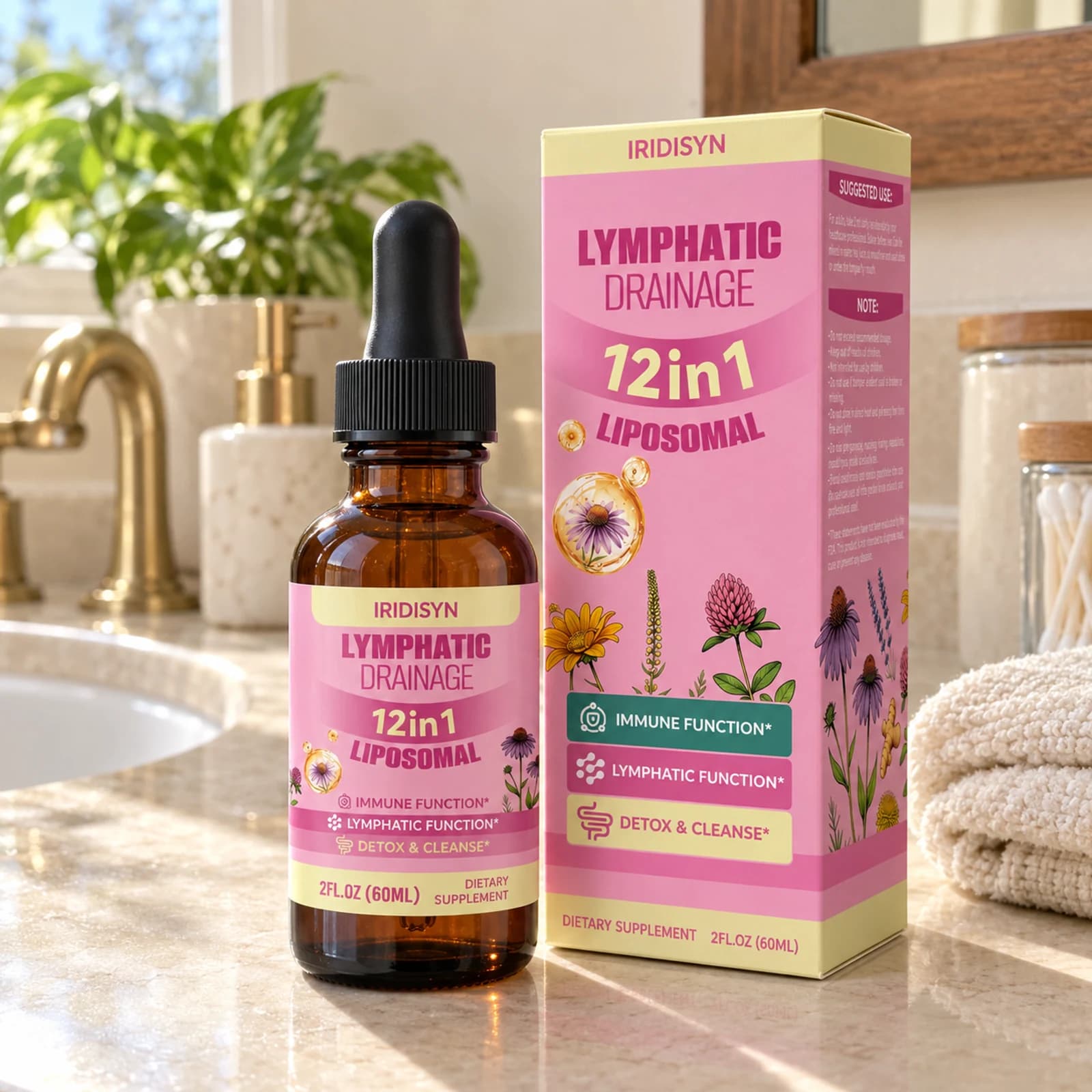
IRIDISYN original product photography. No body-result imagery or outcome claim is implied.
Educational content only. This page does not diagnose or treat lymphedema, swelling, or any other medical condition. New, persistent, painful, red, warm, or one-sided swelling should be assessed by a qualified healthcare professional.
Key takeaways
- Before-and-after photos are highly sensitive to lighting, angle, posture, time of day, food, hydration, temperature, and camera settings.
- Track one defined observation, the exact product and serving, confounding factors, and adverse effects instead of relying on memory.
- Personal tracking can support a healthcare conversation but cannot prove that drops changed lymph flow or treated a condition.
- Do not photograph-and-wait when swelling is sudden, painful, red, warm, one-sided, persistent, or worsening.
What a before-and-after can and cannot show
A record can show that an observation occurred before or after a start date. It can help you remember the serving, timing, side effects, and other changes. It cannot isolate the supplement from everything else that changed or show the biological mechanism behind an appearance.
An individual result also cannot predict what another person will experience. Testimonials and dramatic images may generate hypotheses, but they are not controlled evidence for effectiveness. FTC guidance expects health claims and testimonials to be supported by appropriate evidence rather than by consumer impressions alone.
Define one outcome before starting
Avoid a broad goal such as detox or feel better. Choose an observation that is specific, relevant, and safe to track. Examples might include whether the taste and format fit the routine, whether a labeled serving causes stomach discomfort, or whether a subjective sensation follows a repeatable pattern.
Medical swelling is different. Measurements of limb circumference or volume can be part of professional lymphedema care, but technique and interpretation matter. If you have diagnosed or suspected lymphedema, ask the treating team what to monitor and how rather than creating a home protocol from a supplement article.
Create a baseline that includes context
One photograph or one scale reading is a weak baseline. Before starting, record several ordinary days when practical. Include time of day, sleep, activity, prolonged sitting or standing, travel, temperature, menstrual-cycle context when relevant, sodium and alcohol changes, medicines, and other supplements.
Record the exact product, lot, complete serving, and start date. Save the label because formulas and directions can change. If you start several products or lifestyle changes at once, the record will not identify which change contributed to an observation.
| Field | What to record | Why it matters |
|---|---|---|
| Product | Name, lot, serving, time, and label version | Confirms the actual exposure |
| Observation | One predefined rating or practical outcome | Reduces vague hindsight |
| Context | Food, fluid, sleep, activity, travel, temperature | Shows competing explanations |
| Other products | Medicines and supplements used that day | Reveals changes and duplication |
| Safety | Any new or worsening symptom | Supports a timely stop decision |
If you use photos, standardize them
Use the same camera, distance, lens setting, lighting, background, time of day, clothing, and posture. Avoid wide-angle distortion, beauty filters, editing, flexing, compressive clothing, or choosing only the most flattering frame. Keep original files and dates.
Even standardized photos cannot identify fluid type, diagnose lymphedema, or prove a product mechanism. Facial and abdominal appearance can shift with expression, lens distance, meals, bowel contents, posture, hormones, and sleep. A visual difference is an observation that still needs interpretation.
Do not confuse scale weight or urination with lymph flow
Body weight varies with food, fluid, sodium, carbohydrates, glycogen, bowel contents, clothing, and measurement time. A short-term change does not establish fat loss or treatment of edema. More frequent urination likewise does not demonstrate increased lymphatic transport.
Do not restrict fluids, overhydrate, increase a serving, or combine products to create a more dramatic number. People with clinician-directed fluid or sodium limits should follow those individualized instructions rather than a generic tracking plan.
Review the record without moving the goalposts
Choose a review date in advance based on the label and professional advice. At that point, look at the full record, including neutral days and adverse effects. Do not extend the deadline repeatedly because a result is expected soon or redefine a different change as success after the original outcome did not occur.
There is no established category-wide result timeline. See how long lymphatic drainage drops take to work for the evidence limits behind precise promises.
Track safety as carefully as hoped-for benefits
Record rash, itching, swelling, digestive symptoms, dizziness, headaches, bruising, bleeding, sleep changes, or other new symptoms. Do not label an unwanted effect as proof that toxins are leaving. FDA advises stopping a supplement and seeking medical care or advice when an adverse event occurs.
Keep the package and lot number. Serious reactions require urgent care and can be reported to FDA; the responsible company can also be contacted through the label information.
When a before-and-after project should stop
Do not wait for a planned photo date when swelling is sudden, one-sided, painful, red, warm, worsening, or accompanied by fever. Chest pain, shortness of breath, or coughing blood can indicate an emergency. Seek prompt care.
For diagnosed lymphedema, share observations with the qualified team directing care. Changes to compression, massage, exercise, skin care, or other treatment should come from that plan, not from an online supplement challenge.
Frequently asked questions
Do before-and-after photos prove lymphatic drops work?
No. Photos can document appearance but cannot control other factors, diagnose swelling, measure lymph flow, or establish that a supplement caused a change.
What should I track when trying lymphatic drops?
Record the product, lot, serving, timing, one predefined observation, relevant daily context, medicines and supplements, and any unwanted effects.
Does losing water weight mean better lymphatic drainage?
No. Short-term scale changes and lymphatic transport are different. Weight can vary for many reasons and does not diagnose or prove treatment of swelling.
How often should I take progress photos?
There is no evidence-based schedule for this product category. If photos are used, standardize conditions and choose a review point before starting rather than checking repeatedly.
When should swelling be evaluated instead of tracked at home?
Seek care for sudden, painful, red, warm, one-sided, persistent, worsening, or otherwise concerning swelling. Chest symptoms can require emergency care.
- Federal Trade Commission: Health Products Compliance GuidanceGuidance on the evidence needed to substantiate health-related advertising claims and testimonials.
- FDA 101: Dietary SupplementsFDA consumer guidance on label-directed use, interactions, adverse events, claims, and supplement regulation.
- NCCIH: Using Dietary Supplements WiselyFederal guidance on evidence, product differences, interactions, surgery, pregnancy, breastfeeding, and children.
- NIH Office of Dietary Supplements: Dietary Supplements - What You Need to KnowConsumer guidance on Supplement Facts, serving size, effectiveness, safety, and product quality.
- National Cancer Institute: LymphedemaPatient information on symptoms, diagnosis, treatment, self-care, and signs requiring professional attention.
Sources are provided for transparency and further reading. Linking to an external source does not mean that the source endorses IRIDISYN or any IRIDISYN product.