Lymphatic Drainage Massage vs. Supplements: Key Differences
Manual lymphatic drainage is a technique used in selected clinical care plans. A supplement marketed for lymphatic support is a consumer product, not an interchangeable alternative to that care.
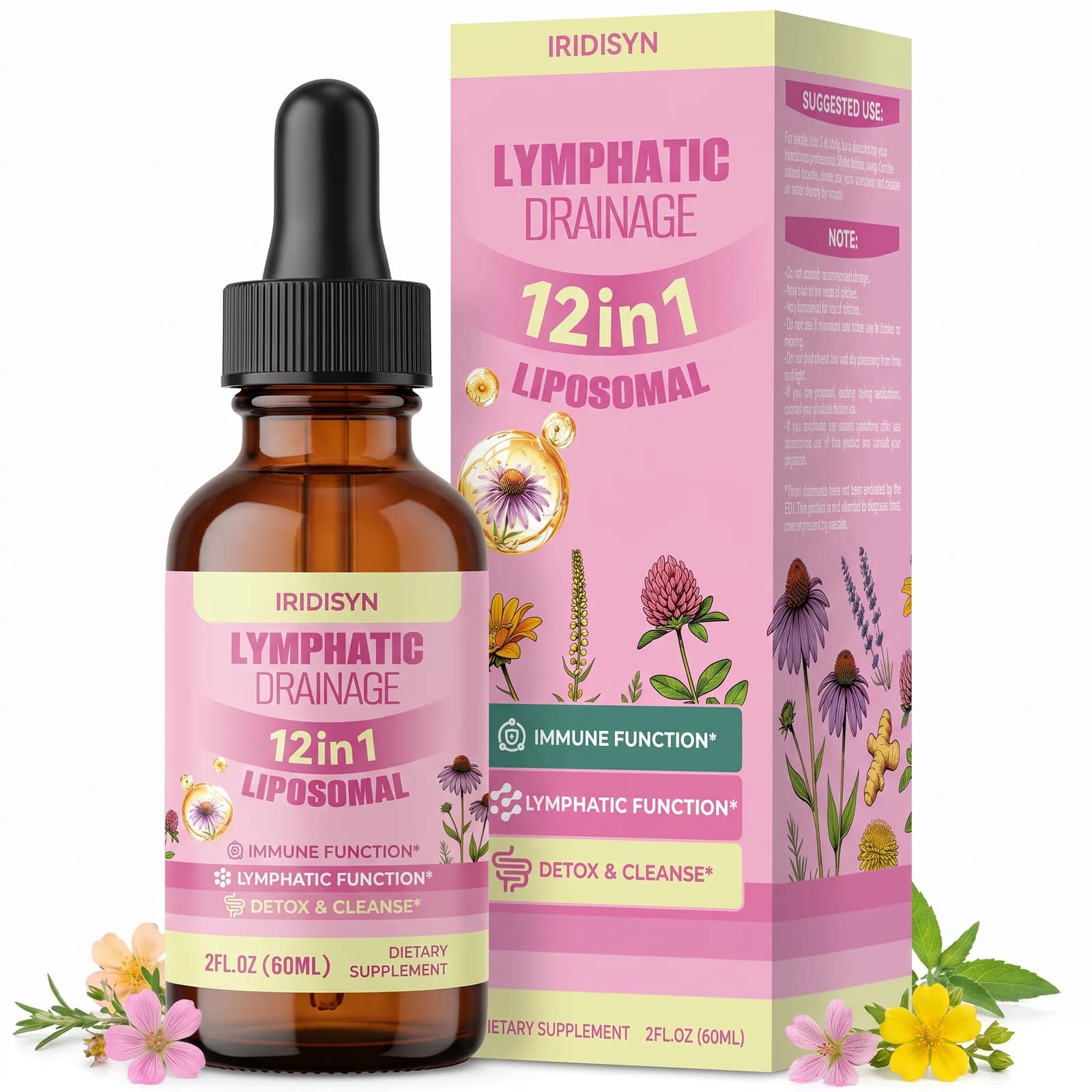
IRIDISYN-supplied product artwork. Package claims are not clinical evidence; compare the final label. No stock or AI-generated botanical photograph is used.
Educational content only. This page does not diagnose or treat lymphedema, swelling, or any other medical condition. New, persistent, painful, red, warm, or one-sided swelling should be assessed by a qualified healthcare professional.
Key takeaways
- A clinical technique and a dietary supplement are different categories.
- Manual lymphatic drainage may be one part of a broader clinician-led plan.
- Neither a spa menu nor a supplement slogan diagnoses the cause of swelling.
- Do not stop prescribed care or improvise massage because of an online comparison.
First distinguish the categories
The National Cancer Institute describes manual lymphatic drainage as gentle massage used within complete decongestive therapy, managed by a certified lymphedema therapist. That broader plan may include bandaging, exercise, and skin care.
A dietary supplement is taken by mouth and has its own ingredient statement, serving directions, and safety questions. Sharing the phrase lymphatic drainage does not give it the same role as a therapist-led technique. This comparison is about categories and evidence, not a contest between two equivalent treatments.
Massage is not the whole clinical plan
Do not reduce a care plan to a massage appointment. The professional may assess symptoms, select appropriate measures, teach specific self-care, and follow progress. The plan is tailored to the diagnosis and history, not chosen from a generic wellness checklist.
A social-media demonstration or a spa service description does not tell you whether that approach is appropriate for your condition. Ask about qualifications, the reason for the technique, and how it fits your care. This article does not teach a massage sequence or tell you how much pressure to apply.
What can a supplement label tell you?
A complete label can help identify the declared ingredients, format, amount per serving, and warnings. It cannot by itself establish that the product treats lymphedema. An ingredient paper or testimonial is not a substitute for a trial of a comparable finished formula.
Use our drops evidence guide to evaluate those claims. If you simply want to understand the retail options, compare the drops and softgels labels without interpreting the comparison as a clinical recommendation.
Compare purpose, evidence, and supervision
Ask the same basic questions of any claim: who is it for, what outcome is measured, what evidence supports it, and what are the safety limits? Then account for the category difference. An individualized clinical plan and a retail formula need different kinds of verification.
| Question | Clinician-led manual drainage | Dietary supplement |
|---|---|---|
| What is assessed? | Diagnosis, history, symptoms, and care goals | The exact formula and individual safety context |
| What accompanies it? | May be part of a broader decongestive plan | Label directions do not create a treatment plan |
| What evidence is relevant? | Technique and plan for the clinical context | Comparable finished-formula evidence for the claim |
| What does it replace? | Only what the treating professional determines | Not prescribed lymphedema care |
General wellness and unexplained swelling are different questions
Someone choosing a routine for general comfort and someone with new swelling are not asking the same question. Do not use a product recommendation to answer a diagnostic question. A term such as clogged lymph is not a diagnosis you can establish from a checklist.
If swelling is new, persistent, painful, red, warm, or one-sided, seek qualified assessment. If symptoms are severe or accompanied by breathing difficulty or chest pain, seek urgent medical help. A supplement trial or a massage appointment should not delay that step.
Can someone use both?
That is a question for the professional managing the care, with the supplement label available. A supplement may have safety or medicine-related concerns unrelated to massage. There is no basis here for promising a combined or enhanced result.
List everything you are using, including other herbal products, and say what outcome you expect. Do not present the supplement as a harmless background detail merely because it is natural. Do not replace compression, exercise, skin care, or another prescribed measure without discussing the change.
Questions for a useful care conversation
Start by explaining the symptoms or diagnosis, then ask what the plan is intended to accomplish. If self-massage is appropriate, request instruction specific to you from the treating professional. If considering a supplement, ask a pharmacist or clinician to review its full formula.
For broader context, read natural lymphatic support habits and our at-home massage boundaries. These guides remain educational, not personalized treatment instructions.
- What explains my symptoms, and what needs assessment first?
- Is manual drainage appropriate in my particular care plan?
- Which self-care steps should I learn directly?
- Could this complete supplement formula conflict with my care?
- How will progress be assessed without relying on photos or testimonials?
Frequently asked questions
Can supplements replace lymphatic drainage massage?
This guide provides no basis for treating a dietary supplement as a replacement for therapist-led care or a prescribed lymphedema plan.
Is manual lymphatic drainage just a deep-tissue massage?
No. NCI describes a gentle technique used in specific care contexts. Do not improvise pressure or technique from this comparison.
Does everyone need lymphatic drainage massage?
No. A wellness trend does not establish a clinical need. Symptoms and individual history should guide professional assessment.
Can I take a supplement while receiving lymphedema care?
Show the full label to the professional managing your care and to a pharmacist. Do not assume the combination is useful or safe.
How do I choose if I have unexplained swelling?
Start with qualified assessment, not with a choice between a massage and a supplement.
- NCI: Lymphedema treatment and manual lymphatic drainageClinical plan, therapist-led care, and self-care context.
- NCI: Lymphedema — Health Professional VersionProfessional background; not individualized instructions.
- NIH ODS: Dietary Supplements — What You Need to KnowLabel, quality, and safety background; not an endorsement of this brand.
- NCCIH: Using Dietary Supplements WiselyHow to evaluate evidence and discuss supplements with a healthcare professional.
- FDA: Questions and Answers on Dietary SupplementsThe distinction between a dietary supplement and an approved medicine.
Sources are provided for transparency and further reading. Linking to an external source does not mean that the source endorses IRIDISYN or any IRIDISYN product.
Published by a supplement brand, not an independent clinical review service. Read our editorial standards or report a correction.