Liquid Supplements vs. Capsules: Choosing an Everyday Format
A liquid adds a measuring step. A capsule or softgel adds a counting step. Compare how you would use each format on an ordinary day, then review the serving and ingredients on the label. The best fit is the format you can handle as directed.
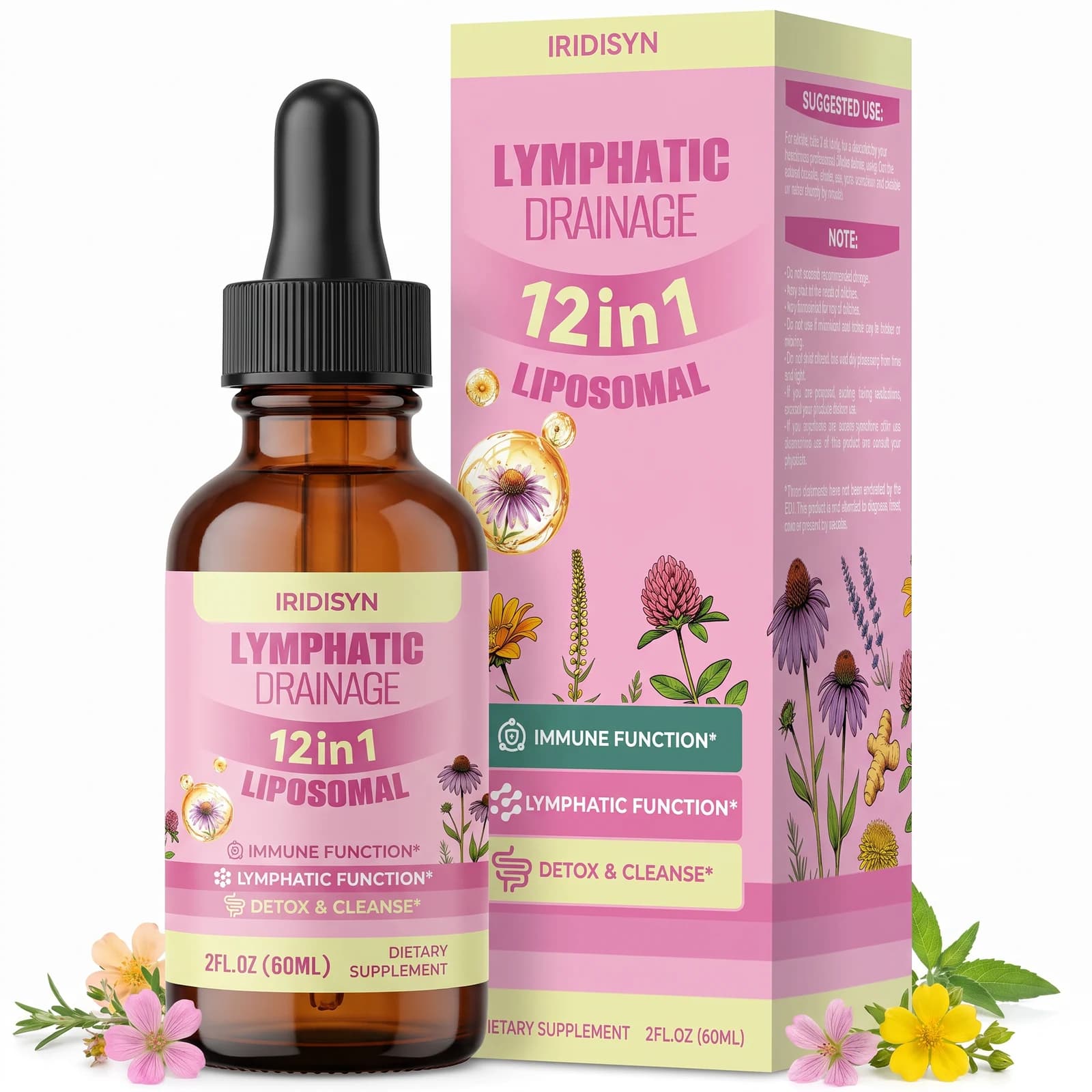
© IRIDISYN. Original asset from the IRIDISYN media library.
Educational content only. This page does not diagnose or treat lymphedema, swelling, or any other medical condition. New, persistent, painful, red, warm, or one-sided swelling should be assessed by a qualified healthcare professional.
Key takeaways
- Format describes handling, not proven efficacy.
- A full dropper is not automatically a serving.
- A softgel serving may contain several units.
- The formulas and other ingredients still need their own comparison.
Compare how each format is taken
Picture a typical morning or evening. Ask where you will keep the bottle, whether you can see the measuring marks, and how you will confirm the serving if your routine changes.
Liquid measurements
A liquid format adds a measuring step. Check the exact directions and the markings on the supplied device. Do not swap drops, droppers, and milliliters just because another bottle used those terms.
A softgel removes a liquid-measuring step but still requires reading the serving. If a label calls for several units, comparing the number of softgels in the pouch with the number of liquid bottles is not a useful serving comparison.
Capsules and softgels
Count units for the full labeled serving. Check the shell and directions for the actual product, especially if swallowing or other ingredients affect the choice.
Check the practical differences
A liquid brings questions about taste and the container. Capsules and softgels bring questions about size, swallowing, and unit count. Read storage and transport guidance for the exact product you plan to use.
Taste, swallowing, and portability
Taste preferences can make a liquid pleasant for one person and inconvenient for another. Softgel size and swallowing preferences can create a different practical constraint. These are routine questions, not a potency ranking.
Do not open, crush, or mix a product simply to solve a preference problem unless the actual label or a qualified professional confirms that approach is appropriate. A format you can use as directed is a better starting point than an improvised workaround.
Keep the product identifiable in its original labeled container and follow its own storage instructions. Do not assume two botanical products have the same light, temperature, or after-opening requirements.
A routine cue can help you remember to check the label and measure consistently, but it should not override directions. If travel changes storage or handling, review those constraints before packing rather than transferring an unlabeled serving to a random container.
Storage and packaging
A liquid bottle adds leak protection and transport-rule questions. A softgel adds unit-count and packaging questions. Check the current airline or destination rules if relevant rather than relying on a generic supplement tip.
Take the original label details with you. A photo is useful for reference, but it does not replace required packaging or documentation where rules demand them. This guide does not guarantee that either format meets a particular travel restriction.
Picture a day away from home. For a liquid, ask whether you can carry the labeled bottle upright and bring the correct measuring device. For a capsule or softgel, check whether the original packaging makes the units and instructions easy to identify. A photo of the directions can make them easier to find, and the actual container still carries the product details.
Compare labels and formulation claims
Use the label guide to compare carriers, shell materials, and other ingredients. If a product makes an absorption claim, look for a direct study on the ingredient and formulation.
Other ingredients and amounts
A botanical list does not describe every material in the finished product. Check other ingredients, including a liquid's carriers and a softgel's shell. Do not infer vegan status or alcohol content from the format alone.
The Supplement Facts reading guide explains what to record and what remains unknown. If a material matters for an allergy or dietary preference, ask for explicit current information before choosing.
What absorption comparisons require
An easier routine is a practical advantage for that user. It does not show greater absorption, faster results, or a lymphatic benefit. Those claims require separate evidence for the exact preparation and intended outcome.
For the category-specific evidence and label comparison, use lymphatic drainage drops vs. pills and softgels. This page intentionally focuses on handling so the two guides answer different questions.
Apply the comparison to your routine
Walk through the checklist with one product in each format. If you are comparing products sold for lymphatic support, use the category-specific comparison and then check the verified information on Shop.
Label worksheet
View the current IRIDISYN collection comparison, then open the drops label or softgel label for the complete formula and warnings.
Pause if a material question is unresolved. You do not need to stack two formats to cover both options. That may duplicate ingredients and changes the safety discussion. Bring both labels to a pharmacist or clinician before considering a combination.
- Can I identify and use the complete serving?
- Do taste, swallowing, and measuring fit my routine?
- Are other ingredients and warnings clear?
- Can I meet the storage and transport requirements?
- Have I kept practical fit separate from efficacy claims?
Category-specific Drops vs. Pills guide
For formulas marketed for lymphatic support, compare the product labels and evidence in the Drops vs. Pills guide.
Frequently asked questions
Are liquid supplements absorbed better than capsules?
Absorption depends on the ingredient and preparation. The handling differences alone cannot establish how much the body absorbs.
What should I compare if swallowing or taste affects my choice?
Compare the complete serving, flavor or texture, unit size, and the directions for taking it. Check with a qualified professional before changing the way a product is taken.
Are drops easier to use than softgels?
It depends on measuring, taste, swallowing preferences, and the complete serving. Neither is universally easier.
Are softgels always vegan?
No. Check the shell and other ingredients on the actual product label. Format alone cannot answer.
- NIH ODS: Dietary Supplements — What You Need to Know
- NCCIH: Using Dietary Supplements Wisely
- FDA: Questions and Answers on Dietary Supplements
- National Cancer Institute: Lymphedema
Sources are provided for transparency and further reading. Linking to an external source does not mean that the source endorses IRIDISYN or any IRIDISYN product.
Published by a supplement brand, not an independent clinical review service. Read our editorial standards or report a correction.